Get in Touch with GUANGQI



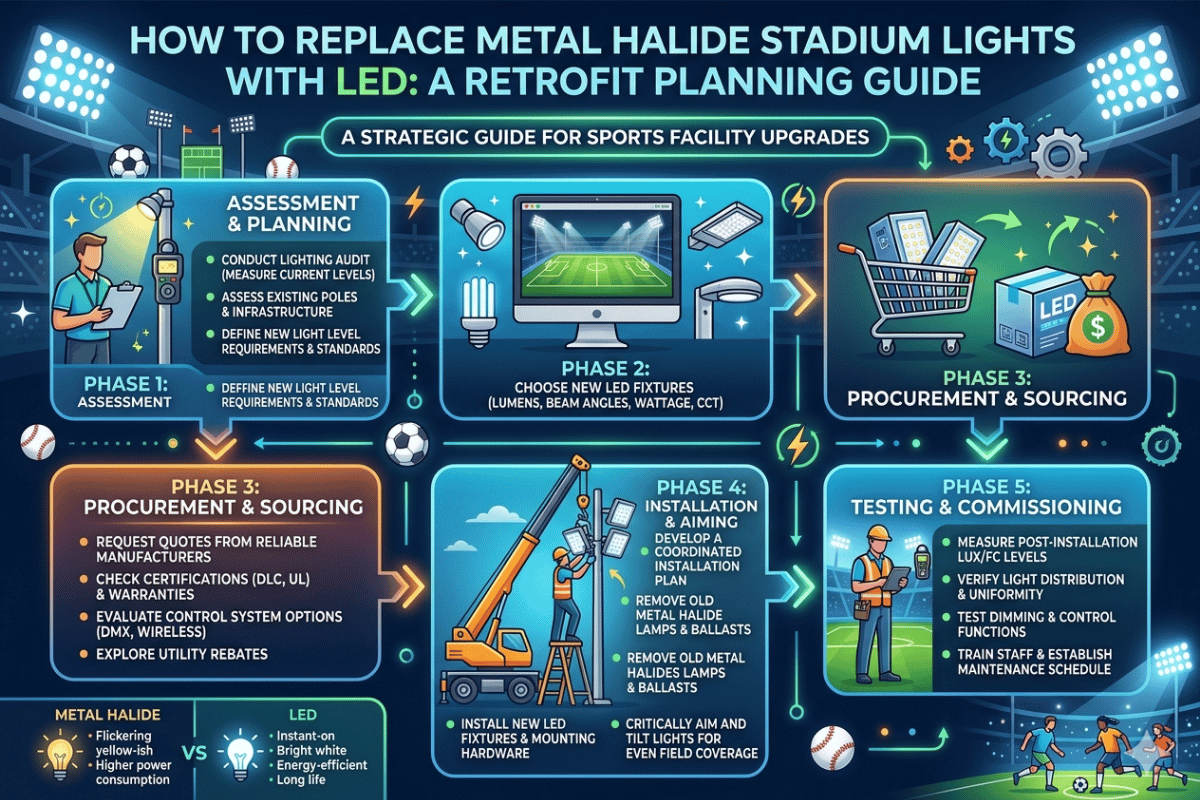
Quick Specs: Metal Halide to LED Stadium Retrofit
| Typical MH Wattage Replaced | 400W – 1,500W per fixture |
| LED Equivalent Range | 150W – 600W per fixture |
| Energy Savings | 50–75% reduction in electricity consumption |
| LED Rated Lifespan | 80,000–100,000 hours (vs MH 10,000–20,000 hours) |
| Warm-up / Restrike | LED: instant on (<1 sec) vs MH: 5–15 min warm-up, 10–20 min restrike |
| Color Temperature | 4,000–5,700K (sport-optimized, stable over life) |
| Typical ROI Payback | 2–5 years (faster with utility rebates) |
Stadium operators across North America are replacing metal halide lamps at a growing clip. Simply put, metal halide lighting is inefficient, takes too long to warm up, and demands frequent lamp replacements that shut down fields during the season. A properly planned LED retrofit solves all three issues and can save 50-75% on electric bills.
This guide walks through the complete metal halide to LED retrofit process for stadium and sports facility lighting—from performance comparisons and wattage equivalents to cost analysis, rebate programs, and a step-by-step installation plan based on IES RP-6 standards. Whether you manage a high school football field or a NCAA-level venue, the data here will help you build a retrofit plan that meets both your illuminance requirements and your budget.
What Is Metal Halide to LED Conversion?
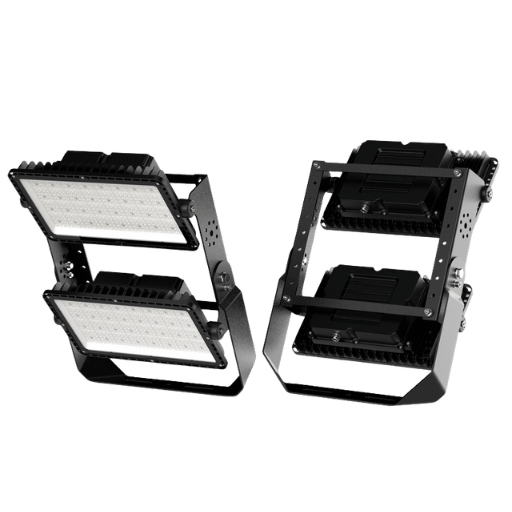
Metal halide to LED conversion is the process of replacing metal halide lamp fixtures — or the lamp assemblies inside them — with LED light sources that deliver equal or greater illumination at a fraction of the wattage. In a stadium or sports facility, this usually means swapping 400W to 1,500W metal halide fixtures mounted on poles 60-100 feet high with LED flood light equivalents rated at 150W to 600W.
Metal halide lamps dominated outdoor sports lighting from the 1970s through the early 2010s. They offered high lumen output and acceptable color rendering for broadcast and spectator viewing. But according to the U.S. Department of Energy Solid-State Lighting Program, LED adoption in commercial and outdoor applications exceeded 50% by 2024 — driven by dramatic gains in efficacy, controllability, and total cost of ownership.
For stadium managers, the conversion decision usually comes down to three factors: the age of existing metal halide fixtures (most have a 15-20 year service life), rising electricity and maintenance costs, and the availability of utility rebates that offset 20-40% of project costs. Sections below break down each factor with specific data for sports facility applications.
Metal Halide vs LED Stadium Lights — Performance Comparison
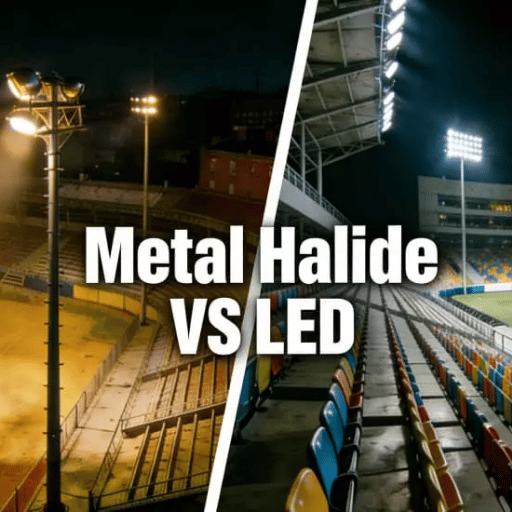
LED technology outperforms metal halide lighting across every measurable parameter relevant to stadium operations. Since 2020, the gap has widened considerably as LED efficacy climbed past 150 lumens per watt while metal halide lamp technology remained static.
| Parameter | Metal Halide (1,000W) | LED Equivalent (300W) |
|---|---|---|
| Luminous Efficacy | 80–100 lm/W (initial rated) | 130–180 lm/W |
| Effective Delivered Lumens | <30 lm/W (omnidirectional losses) | 120–160 lm/W (directional optics) |
| Color Rendering Index (CRI) | 65–70 | 70–80+ (Premium: 80–90) |
| Warm-up Time | 5–15 minutes to full output | Instant (<1 second) |
| Restrike Time After Power Loss | 10–20 minutes | Instant |
| Rated Lifespan | 10,000–20,000 hours | 80,000–100,000 hours |
| Lumen Depreciation | 40%+ loss by mid-life | <30% at L70 (50,000 hrs) |
| Color Temperature Stability | Shifts 300–500K over lamp life | Stable ±100K over rated life |
| Mercury Content | Yes (EPA-regulated disposal) | None |
| Dimming / Smart Controls | Limited (on/off only) | Full 0–10V dimming + wireless |
One metric that often misleads facility managers is initial lumen output. A 1,000W metal halide lamp produces 80,000-110,000 lumens at startup. But metal halide bulbs emit light in all directions — meaning roughly half the light output is lost inside the fixture reflector before reaching the field. When you account for these optical losses, a metal halide system delivers fewer than 30 usable lumens per watt to the playing surface. LED fixtures use directional optics that place 120-160 lumens per watt exactly where needed, which is why a 300W LED can match or exceed the on-field light quality of a 1,000W metal halide.
Improved lighting quality from LED is measurable across every parameter in the table above — higher CRI, stable color temperature, and consistent light output over the fixture’s life. Restrike behavior deserves special attention from stadium operators. When power is interrupted during a metal halide event — even briefly — the lamps need 10-20 minutes to cool and restrike. During a Friday night football game, that means playing in near-darkness while 1,500W metal halide lamps slowly ramp back up. LED stadium lights restore full light output in under one second after any power event.
💡 Pro Tip
When comparing metal halide and LED light output, always use delivered footcandles at field level — not raw lamp lumens. A photometric study using software like AGi32 or DIALux gives the most accurate comparison for your specific mounting heights and pole spacing.
Wattage Equivalents — Selecting the Right LED Replacement
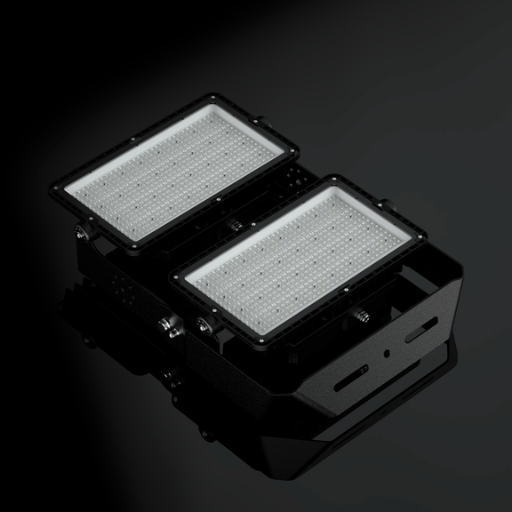
Choosing the right LED replacement for a metal halide fixture requires thinking in lumens, not watts. A watt-for-watt swap will result in a dramatically over-lit field because LED fixtures produce far more usable light per watt than any metal halide lamp. Below are typical conversions for stadiums and sports venues, with system wattage that accounts for ballast losses in the metal halide.
| MH Lamp Wattage | System Watts (w/ Ballast) | LED Replacement | LED Lumens | Typical Stadium Use |
|---|---|---|---|---|
| 250W | ~295W | 80–100W | 10,000–13,000 lm | Tennis courts, batting cages |
| 400W | ~458W | 150–200W | 20,000–30,000 lm | High school fields, parking areas |
| 1,000W | ~1,100W | 300–400W | 45,000–60,000 lm | College and municipal stadiums |
| 1,500W | ~1,650W | 500–600W | 70,000–90,000 lm | NCAA Division I, professional venues |
Pay close attention to the “system watts” column — it reflects what you actually measure in kilowatt-hours for real energy savings. A 400W metal halide lamp draws approximately 458 watts from the wall because the magnetic ballast consumes 40-60 additional watts. LED drivers are far more efficient, typically adding only 3-5% overhead. So the actual energy reduction when replacing a 400W metal halide with a 150W LED is closer to 67% — not the 62% you would calculate using lamp wattage alone.
For stadiums still running 1,000W metal halide fixtures, the 1000W metal halide LED replacement typically falls in the 300-400W range. At that power level, modern LED flood light fixtures deliver 45,000-60,000 lumens with precisely controlled beam distributions that reduce spill light and glare — addressing a common complaint with omnidirectional metal halide systems.
📐 Engineering Note
When selecting the right LED replacement wattage, specify fixtures with a minimum efficacy of 130 lm/W and request IES photometric files (.ies) from the manufacturer. Run these files through AGi32 or DIALux at your actual mounting heights (typically 60-100 ft for stadium poles) to verify that the proposed LED fixture meets your target footcandle levels before purchasing. IES files account for the fixture’s optical distribution pattern — something raw lumen output alone cannot tell you.
LED Retrofit Kit vs Complete Fixture Replacement
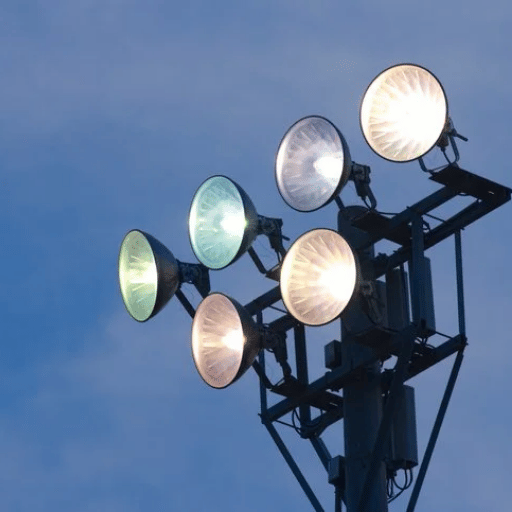
Every metal halide to LED conversion project starts with a fundamental choice: install an LED retrofit kit inside the existing fixture housing, or replace the entire fixture with a purpose-built LED unit. Retrofit options range from simple LED lamp or LED bulb drop-ins to full LED retrofit kits that replace the internal light engine entirely. Both paths have clear advantages depending on your fixture condition, budget constraints, and performance goals.
✔ LED Retrofit Kit
- Lower upfront cost: $200–$600 per fixture
- Reuses existing mounting hardware and wiring
- Faster installation: 1–2 hours per fixture
- Qualifies for DLC rebates when kit is DLC-listed
- Minimal disruption to pole infrastructure
⚠ LED Retrofit Kit — Limitations
- Limited by original fixture optics and housing design
- Cannot improve thermal management beyond original spec
- Fixture housing must be structurally sound (no corrosion, intact gaskets)
- May not achieve the uniformity ratios of purpose-built LED fixtures
✔ Complete Fixture Replacement
- LED-optimized optics for tighter beam control and uniformity
- Integrated thermal management extends driver lifespan
- Built-in smart controls (0–10V dimming, wireless, scheduling)
- 10-year manufacturer warranty (compared to typical 5-year kits)
- Often lighter than historic MH fixtures – reduces pole wind loading
⚠ Complete Replacement — Limitations
- Higher cost: $800–$2,500 per fixture
- Structural assessment required (pole loading, foundation)
- Longer installation: 3–5 hours per fixture with crane access
- May require new wiring runs and junction box modifications
For lower-wattage applications like parking areas or high bay light installations inside fieldhouses, LED corn bulb replacements offer a quick retrofit path — the LED corn light bulb screws into the existing mogul (E39) socket after ballast bypass. However, LED corn bulbs are not recommended for high-mast stadium poles because their omnidirectional output pattern cannot match the precision beam control of purpose-built LED flood fixtures.
Most common mistake in stadium LED conversion projects is installing retrofit kits into deteriorated metal halide fixtures. After 15-20 years of outdoor exposure, fixture housings develop corroded reflectors, failed gaskets, and degraded lens materials. Dropping a new LED light engine into a compromised housing wastes money — the degraded optics will scatter light, creating hot spots and dark zones that violate IES uniformity standards. Field practitioners recommend a simple test: if the existing fixture housing shows visible corrosion, yellowed lenses, or broken seals, full replacement is the more reliable path.
For facilities weighing both options, consider this decision framework: choose a metal halide to LED conversion kit when fixtures are less than 10 years old, housings pass visual inspection, and budget is the primary constraint. Choose complete fixture replacement when fixtures are older than 15 years, when you need to meet updated IES uniformity requirements, or when integrating wireless lighting controls is a project goal.
How Much Does a Stadium LED Retrofit Cost?
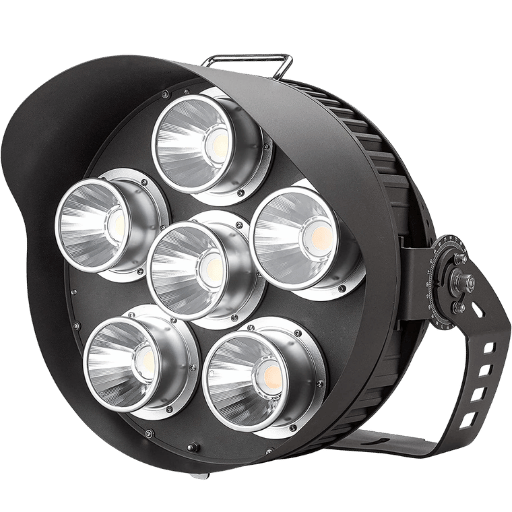
Stadium LED retrofit costs vary widely based on venue size, fixture count, mounting height, and whether you choose retrofit kits or full fixture replacement. Based on project data from sports facility upgrades completed in 2024-2025, here is what facility managers should expect to budget.
| Cost Category | Retrofit Kit Path | Full Replacement Path |
|---|---|---|
| Fixture/Kit Hardware | $200–$600 per unit | $800–$2,500 per unit |
| Electrical Labor | $100–$200 per unit | $200–$400 per unit |
| Crane / Lift Access | $1,500–$3,000 per day | $1,500–$3,000 per day |
| Structural Assessment | $0–$500 (usually not required) | $1,000–$3,000 |
| Controls Integration | $50–$150 per unit | Often included in fixture cost |
| Annual Energy Savings | 50–65% reduction | 60–75% reduction |
ROI Example: 60-Fixture Municipal Stadium
Scenario: Replace 60 × 1,000W metal halide fixtures with 300W LED flood lights
- Old system draw: 60 × 1,100W (system) = 66 kW
- New LED system draw: 60 × 310W (system) = 18.6 kW
- Savings per hour: 47.4 kW × $0.12/kWh = $5.69/hr
- Annual savings at 1,200 operating hours: $6,826
- Maintenance savings (lamp + labor): ~$3,600/year
- Total annual savings: ~$10,400
- Project cost (full replacement): $72,000–$120,000
- Simple payback: 3.5–5.8 years (before rebates)
- With 30% utility rebate: 2.4–4.0 years
According to data compiled by the Sports Venue Calculator, complete stadium lighting retrofits range from $95,000 for small community fields to over $500,000 for large multi-sport complexes. Facilities that pursue LED stadium lighting upgrades through a phased approach — converting one field or one pole ring at a time — can spread capital expenditure across multiple budget cycles while capturing energy savings from the first phase immediately.
Rebates, Incentives, and Utility Programs for LED Stadium Upgrades
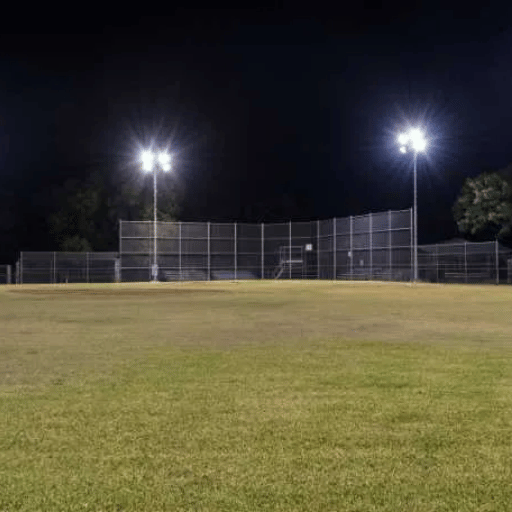
Utility rebate programs can reduce the net cost of a stadium LED retrofit by 20-40%. Nearly 700 utility and energy efficiency programs across the United States use the DesignLights Consortium (DLC) Qualified Products List to validate fixture eligibility for rebates. If your proposed LED fixtures are not DLC-listed, most programs will reject the rebate application regardless of how energy-efficient the product may be.
DLC Standard and DLC Premium differ significantly in rebate amounts. DLC Premium requires fixtures to achieve a minimum efficacy of 135 lumens per watt for outdoor area and flood lighting categories. Many utility programs offer 25-50% higher rebate values for DLC Premium fixtures compared to DLC Standard, making the incremental cost of specifying higher-efficacy fixtures worth the investment.
To find rebate programs available in your area, the DSIRE database maintained by the N.C. Clean Energy Technology Center allows searching by ZIP code for all lighting incentives, including commercial and municipal programs. Some states, including New York, California, and Massachusetts, also offer dedicated energy efficiency financing programs (like on-bill financing) that eliminate the need for upfront capital.
📐 Engineering Note
DLC Premium qualification for outdoor area/flood fixtures requires ≥135 lm/W efficacy, ≥70 CRI, and a minimum 5-year warranty. When requesting quotes from LED stadium fixture suppliers, always ask for the DLC listing number and verify it against the DLC QPL before specifying. Fixtures may be listed under a different model number or generation than what appears on marketing materials.
Step-by-Step Stadium Light Retrofit Planning
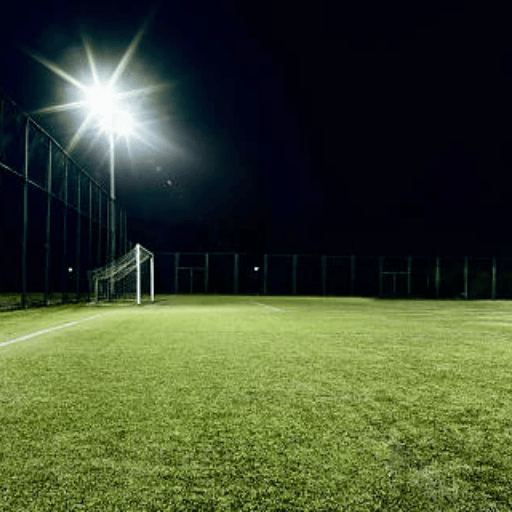
A well-planned LED retrofit avoids the two most expensive mistakes in stadium lighting projects: specifying the wrong fixture for your mounting height and failing to meet sport-specific illuminance standards. Following the ANSI/IES RP-6 recommended practice for sports and recreational area lighting ensures your new LED system meets both athlete visibility and broadcast requirements.
- ✔
Step 1 — Audit existing fixtures: Count fixtures per pole, record metal halide wattage, measure mounting height, and assess pole structural condition (corrosion, lean, foundation cracks). - ✔
Step 2 — Measure current light levels: Take footcandle readings at field level in a grid pattern per IES RP-6 methodology. Document readings with a calibrated lux meter at each grid point. - ✔
Step 3 — Define target illuminance by sport and competition level (see table below). - ✔
Step 4 — Run photometric simulation: Use AGi32 or DIALux with manufacturer-provided .ies files at your actual pole heights and spacing. Verify uniformity ratio ≤1.7:1 and coefficient of variation ≤0.13. - ✔
Step 5 — Evaluate structural capacity: LED fixtures are often lighter than metal halide, but different fixture profiles change wind loading. Engage a structural engineer for poles over 80 feet. - ✔
Step 6 — Specify DLC-listed fixtures: Required for most utility rebate programs. Confirm DLC QPL listing number and request product datasheets that include IES files, photometric test reports, and warranty documentation. - ✔
Step 7 — Plan phased installation: Schedule retrofit work during off-season or between sporting seasons. A 60-fixture stadium generally requires 3–5 days with a two-person crew and crane access.
Footcandle requirements in the table below are based on IES RP-6 and governing body standards. This is the data point most facility managers need before requesting LED fixture quotes — it determines how many lumens each fixture must deliver at your specific mounting height.
| Sport | Professional (fc) | College (fc) | High School (fc) | Recreational (fc) |
|---|---|---|---|---|
| Football | 100 | 50 | 30 | 20 |
| Soccer | 75 | 50 | 30 | 20 |
| Baseball / Softball | 100 | 50 | 30 | 20 |
| Tennis | 100 | 75 | 50 | 30 |
| Track & Field | 50 | 30 | 20 | 10 |
⚠️ Important
Most expensive mistake in stadium LED retrofits is skipping the photometric study. Selecting LED fixtures based on wattage equivalence alone — without modeling the actual beam distribution at your mounting height — frequently results in dark spots between poles or excessive glare that triggers player and neighbor complaints. A photometric study costs $500-$2,000 and can prevent a $100,000+ installation from underperforming.
Frequently Asked Questions
Q: Can I replace metal halide with LED in existing stadium fixtures?
View Answer
Yes. Retrofit kits swap the lamp and ballast for an LED light engine while keeping the existing housing. Housing must be structurally sound first.
Q: What LED wattage is equivalent to a 400W metal halide?
View Answer
A 150-200W LED fixture replaces a 400W metal halide lamp in most stadium setups while delivering equal or greater light output to the playing surface. Exact wattage depends on the LED fixture’s efficacy (lumens per watt) and optical distribution. Always match based on delivered footcandles at field level rather than raw wattage. At 150 lumens per watt, a 200W LED fixture produces 30,000 lumens — comparable to the usable light from a 400W metal halide system after accounting for ballast and optical losses.
Q: How long do LED stadium lights last compared to metal halide?
View Answer
LED stadium fixtures are rated for 80,000-100,000 hours, while metal halide lamps last 10,000-20,000 hours. But rated lifespan only tells part of the story. Metal halide lamps lose 40% or more of their lumen output by mid-life, meaning they produce noticeably dimmer light well before they fail completely. According to DOE testing data, a 1,000W metal halide lamp at 10,000 hours delivers roughly 55,000 lumens versus its initial 90,000 — a 39% drop that visibly darkens playing surfaces. LED fixtures maintain at least 70% of their initial output (the L70 rating) through their full rated life, providing more consistent illumination over a much longer period. For a stadium operating 1,200 hours per year, LED fixtures can last 65-80+ years before reaching L70 — far outlasting the fixture’s mechanical components. That consistency also reduces the frequency of costly re-lamping and bucket truck service calls that metal halide systems require every 2-3 seasons.
Q: Should I use a retrofit kit or replace the entire metal halide fixture?
View Answer
Choose a retrofit kit when your existing metal halide fixtures are less than 10 years old, housings are structurally sound, and budget is your primary constraint. Choose full fixture replacement when fixtures are older than 15 years, when you need to meet updated IES uniformity standards, or when integrating smart lighting controls. Full replacement costs 2-4x more per fixture but delivers better optics, longer warranties, and often qualifies for higher utility rebates.
Q: Are there rebates available for stadium LED conversion?
View Answer
Yes. Nearly 700 utility programs in the U.S. offer rebates for LED lighting upgrades, typically requiring fixtures to be listed on the DesignLights Consortium (DLC) Qualified Products List. Rebate amounts vary by region and program — from $50 to over $200 per fixture. Search the DSIRE database at dsireusa.org by ZIP code to find programs available in your area. Some states also offer on-bill financing that eliminates the need for upfront capital.
Q: Do I need to bypass the ballast when converting metal halide to LED?
View Answer
It depends on the LED product type. LED retrofit lamps (Type B / ballast bypass) require removing or bypassing the existing metal halide ballast and wiring line voltage directly to the lamp socket. LED retrofit kits come with their own self-contained driver and always require full ballast removal. Some LED retrofit lamps (Type A) work with existing ballasts, but these are less common in high-wattage stadium applications and generally not recommended because the ballast continues to consume energy and remains a potential failure point. For stadium projects, ballast bypass or complete fixture replacement are the standard approaches.
Ready to plan your stadium lighting upgrade? Get a free consultation and custom photometric design from our team.
About This Analysis
This retrofit planning guide draws on IES RP-6 standards, DOE Solid-State Lighting program data, DLC qualification requirements, and project cost data from completed stadium LED upgrades across municipal and educational facilities. Footcandle tables and wattage equivalents reflect current fixture capabilities as of early 2026. All cost estimates represent U.S. market pricing and may vary by region, labor market conditions, and project scope.
References & Sources
- Solid-State Lighting Program — U.S. Department of Energy
- ANSI/IES RP-6-20: Sports and Recreational Area Lighting — American National Standards Institute / Illuminating Engineering Society
- DesignLights Consortium (DLC) Qualified Products List — DesignLights Consortium
- Database of State Incentives for Renewables & Efficiency (DSIRE) — N.C. Clean Energy Technology Center
- LED Stadium Lighting Cost, Design and Funding Guide — Sports Venue Calculator
- DLC QPL Product Search — DesignLights Consortium
Related Articles