Get in Touch with GUANGQI


Lighting Design Services
Commercial Landscape Lighting Design Services
Hospitality · Municipal · Developer · ArchitecturalEnd-to-end landscape lighting design — from concept photometric plan through factory-direct fixtures and on-site installation support. Specified by architects, trusted by developers across 50+ countries.
Request Project Consultation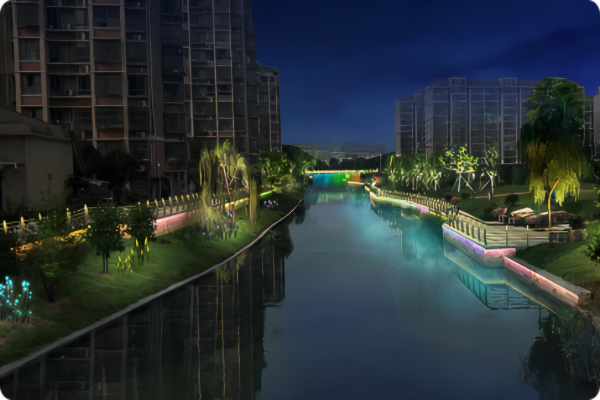
What You Get, Per Project
- IES / Revit / CAD photometric deliverables
- Custom fixture BOM with LM-79 test data
- CE · RoHS · IP66 certified luminaires
- DarkSky-aligned shielding & CCT guidance
- 5-year luminaire & driver warranty
- 50+ countries delivered, Incoterms flexible
Where Landscape Lighting Design Fails — And How We Solve It
01 The Breakdown
Landscape lighting design is the systematic engineering of outdoor light environments across plazas, walkways, waterfronts, building facades, and planted grounds. Three failure modes dominate the commercial projects we inherit from other suppliers: glare that ruins guest experience, disconnected specifications that force re-orders once fixtures arrive, and photometric plans that cannot survive a DarkSky-regulated jurisdiction.
02 The Guangqi Protocol
Guangqi Lighting closes each gap in one contract. Our in-house optics and driver teams design the photometric plan, select the fixture family, and produce the hardware in the same facility — so the beam spread, wattage, and watt-per-lumen efficiency values you see in the design package match exactly what lands on your site. LED bulbs, integrated LED modules, and smart-driver combinations are specified against the actual luminaire families we manufacture, so your outdoor spaces receive a coherent lighting design rather than a patchwork of brands. Every luminaire is rated to CE, RoHS, and IP66 out of the box, and every project is specified with light-trespass and uplight controls that meet or exceed the DarkSky Approved commercial criteria.
Professional Landscape Lighting Design Services — Three Deliverable Tiers
Most buyers arrive knowing they need “a lighting plan” but not which tier fits their project scale. Our service is structured across three engagement levels with explicit inputs, deliverables, and turnaround windows so procurement teams can match the tier to their timeline and specification depth.
Concept Design
- Mood board + sample illumination references
- Photometric sketch for 2-4 focal zones
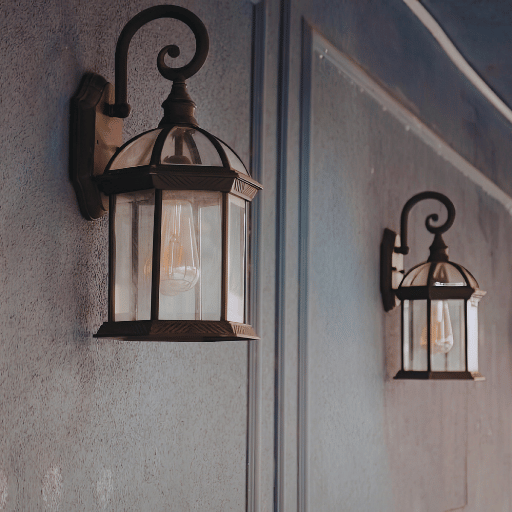
- Fixture-family recommendation (accent, path light, bollard, facade)
- Indicative color temperatures and beam spreads
- Minimum 10 fixtures specified per site

Standard Plan
- Scaled CAD landscape lighting plan (DWG + PDF)
- Full product BOM with IES photometric files
- Transformer wattage and low-voltage circuit sizing
- LM-79 test reports for selected luminaires
- One review cycle with markups
- Minimum 25 fixtures specified per site
Premium Full Package
- Complete construction documents
- Custom fixture engineering (our molds, your aesthetic)
- Diagrammatic wire layout + voltage-drop calculation
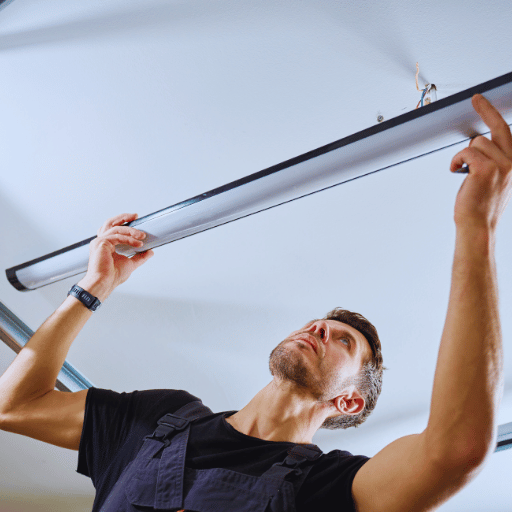
- Installation details, shielding, and mounting
- Factory-direct supply + logistics coordination
- Minimum 50 fixtures specified per site
Decision Matrix — Which Tier Fits Your Project?
| Project Signal | Concept | Standard | Premium (Turnkey) |
|---|---|---|---|
| Budget range | Smallest | Mid | Full-scope |
| You already have CAD base plans | Optional | Required | Required |
| Specifier needs IES/Revit files | On request | Standard deliverable | Standard + custom |
| Custom fixture bodies / finishes | No | Stock catalog | Yes — our molds |
| Installation support on site | No | Remote only | Coordinated on request |
Not sure which tier fits?
Share your CAD base for a 24-hour expert recommendation, or use our automated tool to precisely match your project scale.
Design Principles We Engineer Into Every Project
Good landscape lighting design is not about making the outdoors brighter at night. It is about choosing where to illuminate, what to leave in shadow, and how the human eye moves through that contrast. Every project we scope is guided by four operating principles drawn from decades of IES research and the DarkSky Five Principles for Responsible Outdoor Lighting.
01
Safety-first light hierarchy
Steps, ramps, and primary walkways receive priority illuminance with anti-glare shielding on every fixture. Our designs use low-angle path light fixtures and recessed well lights so light lands on the walking surface rather than in a visitor's eyes. Glare control is not a cosmetic concern — it is the single factor separating a confident nighttime pedestrian experience from a dangerous one.
02
Human-centered color temperatures
Public commercial spaces perform best at 2700K-3000K for hospitality contexts and 3500K-4000K where foot-traffic visibility and security priorities dominate. Our specifiers select color temperatures to match the program, not to chase specification sheet numbers. When a project must meet DarkSky Approved commercial criteria, the CCT ceiling is 3000K nominal — our tunable-CCT luminaires let one fixture line serve both requirements.
03
Dark-sky compliance and ecological care
Light spilling upward toward the sky is light burning energy for nothing and disturbing wildlife. Our commercial luminaires cap uplight at 0.5% of total output (50-lumen absolute maximum), use full-cutoff shielding, and dim to 10% of rated output on smart schedules — the same performance envelope required by the DarkSky Approved commercial category.
04
Narrative expression — the “light as figure” idea
Every site has a story: the material texture of a stone wall, the silhouette of a canopy tree, the reflection that a still-water pool can hold at dusk. Classical landscape lighting techniques do the narrative work — uplighting to reveal tree canopy form, downlighting and grazing light to highlight hardscape texture, silhouette technique for sculptural features, moonlighting through canopies, and underwater lighting for moments when light is reflected rather than projected. Even the hardscape around a patio and the walkway approaching an entry deserve their own lighting treatment rather than a single wash of flood lights. A landscape lighting plan done well feels inevitable; done poorly, it feels like flood lights pointed at a building.
Commercial & Facade Lighting Systems We Specify
Our photometric designers select from a vertically integrated product library of commercial landscape lighting fixtures. Every product family is specified in-house, tooled from our own molds, driven by our optics engineers, and powered by smart drivers we design for both low-voltage landscape circuits and line-voltage commercial applications.
Bollard & path light
Specification Range
300-1,500 lumens, 12V low-voltage, IP65, cast brass or 316SS
Primary Application
Walkway, plaza perimeter, resort pathways
Facade & wall-grazer
Specification Range
2,000-12,000 lumens, RGBW or tunable 2700-5000K, IP66, adjustable beam spreads 10°-60°
Primary Application
Building facade, heritage architecture, retail signage backdrop
Inground well lights
Specification Range
500-3,000 lumens, IP67, 316SS body, trim-level mounting
Primary Application
Uplighting trees, grazing stone walls
Pole-mounted area lights
Specification Range
6,000-30,000 lumens, Type II/III/V distribution, CCT 3000K-4000K, DarkSky-ready shielding
Primary Application
Parking, public plazas, municipal streets
Underwater lighting
Specification Range
500-2,500 lumens, IP68, 316SS or bronze body, 12V safe-low voltage
Primary Application
Fountains, reflecting pools, poolside
Accent spotlight
Specification Range
400-2,000 lumens, adjustable optics, multiple beam spread options
Primary Application
Sculpture, signage, landscape focal points
Certifications & Technical Standards
For specifier buyers, the certification bank is the short path to trust. Every system we deliver carries third-party verification across electrical safety, material compliance, photometric performance, and outdoor environmental exposure.
CE
RoHS
IP65 / IP66
ISO 9001
DarkSky-Aligned
DLC-Ready
LM-79 Tested
LM-80 Data Available
CRI (color rendering index)
Typical delivery
≥ 80 on all LED luminaires; R9 > 50 on premium tiers
Why it matters
Accurate color of foliage, skin tones, hardscape textures under artificial light
L70 rated life
Typical delivery
50,000 hours minimum, up to 100,000 hours on premium LED families
Why it matters
Projected operating hours before light output falls to 70% of initial — the industry lumen maintenance benchmark per IES TM-21
Low / Line voltage
Typical delivery
12V / 24V DC for landscape paths + 100-277V AC options for pole and facade
Why it matters
Low-voltage landscape wiring is code-friendly for walkable public areas; line-voltage suits pole heights
Uplight & glare control
Typical delivery
≤ 0.5% uplight per commercial DarkSky criteria; full-cutoff shielding available
Why it matters
Light trespass control is increasingly enforced by municipal outdoor lighting ordinances
Driver dimming
Typical delivery
0-10V, DALI, or TRIAC; dimmable to 10% of rated output
Why it matters
Scene programming for late-night energy curfews and dark-sky compliance
Project Results — Where Our Landscape Lighting Systems Work
Three project classes represent most of the commercial landscape lighting design work we deliver. The measured outcomes below reflect typical performance ranges based on the fixture families and control systems deployed; specific project metrics are available under NDA on request.
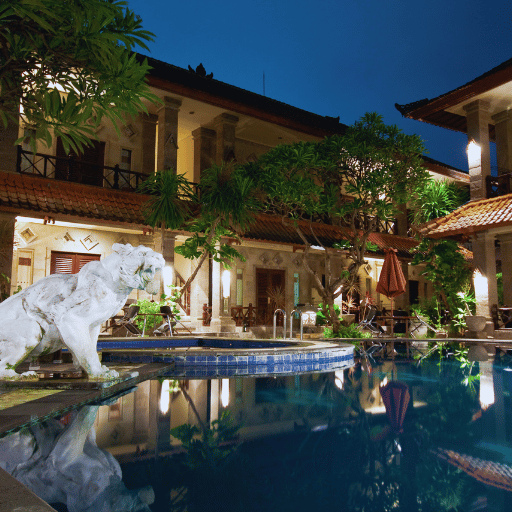
Hospitality resort — villa public spaces
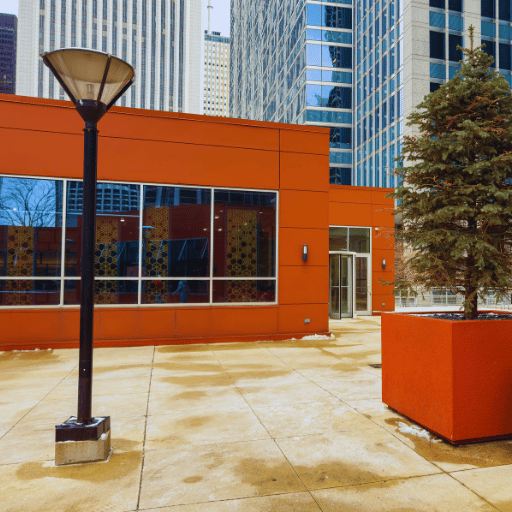
Municipal park & streetscape
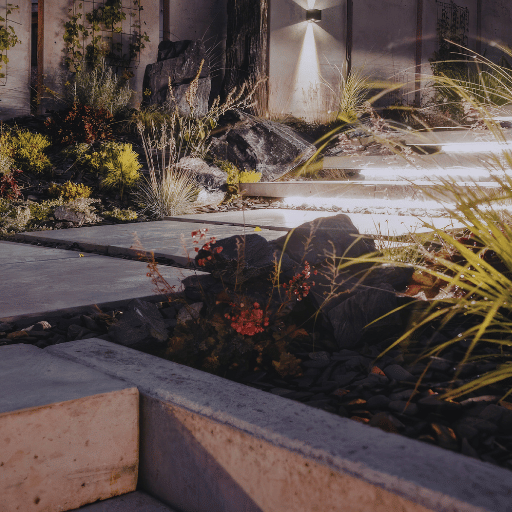
Developer mixed-use landscape
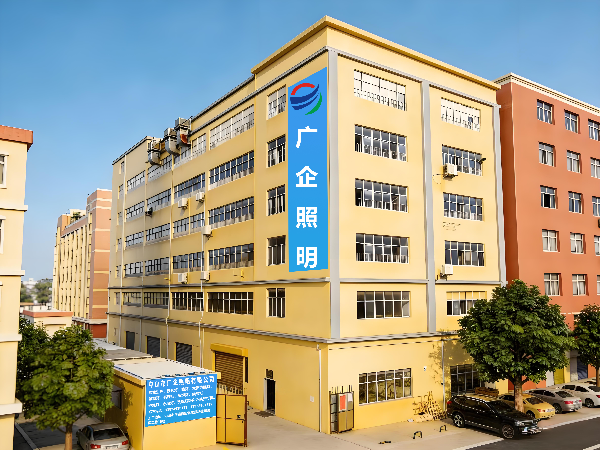
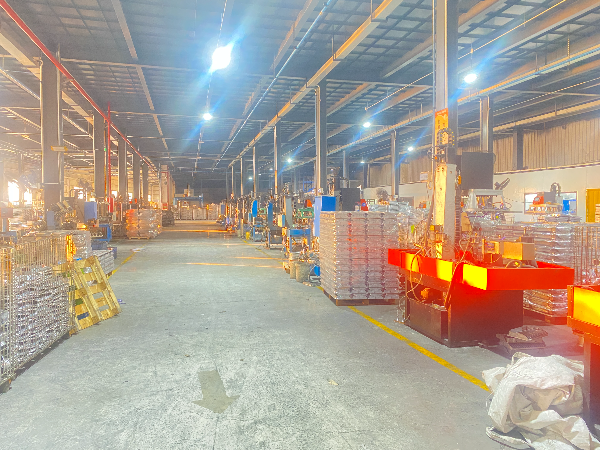
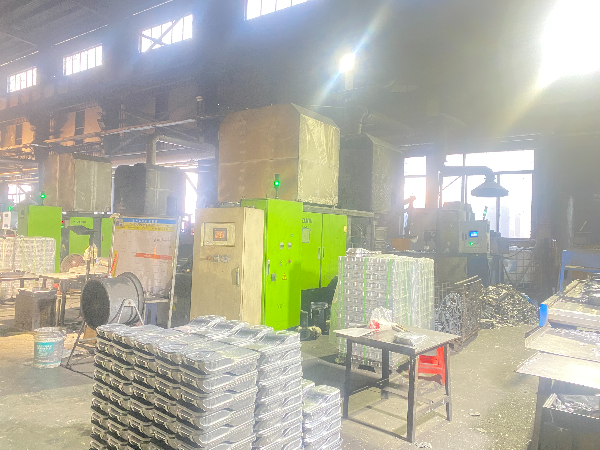
In-House Manufacturing Facility
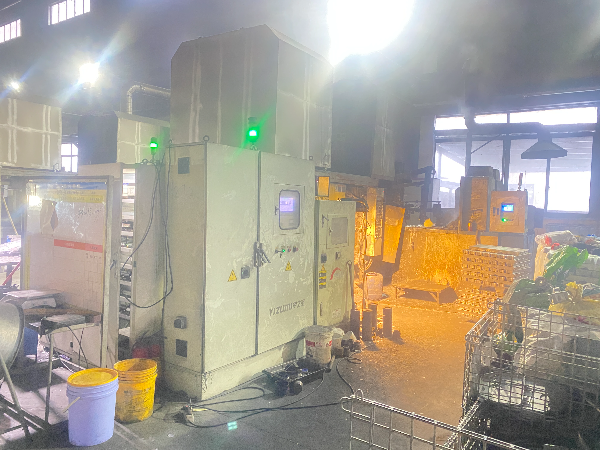
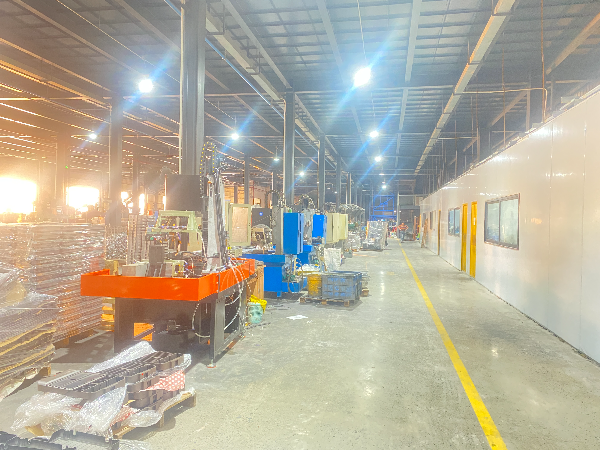
Procurement Guide — Pricing Factors, Lead Time, and Logistics
Commercial landscape lighting budgets rarely collapse to a single number. The framework below lists what actually drives cost; specific quotations are built from your CAD base, fixture count, and custom specification depth.
Pricing factors framework
- Fixture count & system complexity more zones, more drivers, more controls translate to higher engineering and production effort.
- Standard catalog vs. custom molded tooling cost amortized across order volume.
- Material grade durable aluminum housing vs. cast brass vs. 316 stainless vs. bronze, each with different corrosion resistance.
- Driver topology low-voltage landscape transformer circuits vs. line-voltage systems with 0-10V or DALI dimming.
- Certification scope CE/RoHS baseline vs. UL/ETL/DLC for North America vs. DarkSky Approved submission.
- Logistics FOB factory, CIF destination port, or full DDP door-to-door.
Typical lead time window
Design: 2-7 weeks depending on tier.
Production: 3-5 weeks after sign-off.
Custom-molded: 5-10 weeks.
Ocean freight: 2-6 weeks.
Total timeline: typically 8-18 weeks.
Warranty & after-sales
5-year warranty on luminaire bodies and drivers. Spare parts availability guaranteed for 5 years after delivery. Replacement LED modules shipped factory-direct on defect within warranty. International support in 20+ countries.
5-Year Total Cost of Ownership — LED vs. Halogen Reference Frame
Industry studies consistently show commercial LED outdoor lighting uses 50-80% less energy than traditional halogen or HID equivalents, with maintenance costs approaching zero during the warranty period.
| Cost factor | Halogen baseline | LED landscape system |
|---|---|---|
| Initial fixture cost | Lower | Higher (~1.5-2×) |
| 5-year energy consumption | ~$18,400 | ~$7,200 |
| 5-year maintenance | ~$2,100 | $0 (warranty covered) |
| 5-year total cost | ~$24,500 | ~$14,700 |
| Net savings over 5 years | ~$9,800 (40% lower TCO) | |
Ready to start?
Specific quotations are built from your CAD base, fixture count, and custom specification depth.
Get Instant QuoteInteractive Lighting Design Tools
Financial ROI
LED vs Halogen Landscape Lighting TCO Calculator
Estimate 5-year total cost of ownership savings from upgrading a halogen landscape lighting system to LED luminaires. Based on Hyperlite facility management TCO methodology and Sunmelighting commercial LED 2025 energy benchmarks.
Open Calculator →Project Planning
Landscape Lumen & Fixture Estimator
Estimate the total lumen budget and approximate fixture count for your commercial landscape lighting project. Add each zone of your site separately. Based on ANSI/IES RP-33 recommended illuminance levels for outdoor pedestrian applications.
Start Estimator →Compliance Check
DarkSky Approved Commercial Luminaire Checker
Enter the spec of a commercial outdoor luminaire to check compliance with DarkSky Approved Commercial Luminaire criteria (Program Guidelines v3.1, October 2025). This is an informational self-check, not an official approval — DarkSky approval requires submission of full photometric reports to the DarkSky International program.
Run Compliance Check →Frequently Asked Questions
How Is Landscape Lighting Design Different From DIY Landscape Lighting?
DIY landscape lighting kits are engineered for residential homeowners with low-voltage path light fixtures and simple plug-in transformers. Commercial landscape lighting design engineers a photometric plan, sizes wiring and transformer capacity against voltage drop across large sites, specifies fixture types by application, and delivers photometric files that a specifier can defend to a building owner and a building inspector. The outputs are legal construction documents, not a weekend DIY guide.
How Do You Create A Landscape Lighting Plan For A Commercial Property?
We start from your CAD base and a clear program brief (who uses the space, when, and for what). Photometric sketch comes first, then fixture type and beam spread selection for each zone, then a load calculation to size transformers and wire runs against voltage drop. The landscape lighting system is zoned into control groups so different scenes (arrival, peak evening, late-night curfew) each run at different dimming levels. A full plan includes BOM, wire layout, and installation details for the electrical contractor.
What Is The Typical Cost Range For Commercial Landscape Lighting Design?
Design fees scale with tier and project scope. Rather than quote a range without your specification depth, our framework (see above) is driven by fixture count, custom molded components, certification scope, and logistics. For projects in the commercial and hospitality range, the 5-year TCO story usually outweighs unit fixture cost within 18-24 months. Request a quote with your CAD base for a project-specific estimate.
What Is The Golden Rule Of Landscape Lighting Design?
See the light, not the fixture. Every beam angle, shielding choice, and mounting height is in service of that rule. The secondary rule is no light without purpose — every luminaire in the plan should be answering a specific need: safety, orientation, beauty, or identity. Fixtures without purpose are noise pollution and energy waste.
How Many Lumens Do I Need For Commercial Outdoor Lighting?
Lumen requirements depend on application class and surface reflectance, not fixture count. Pedestrian walkways typically target 1-3 foot-candles of average illuminance; parking areas 0.5-2 foot-candles; building entrances 5-10 foot-candles for safe transitions. Our specifiers apply the LM-79 photometric data for each selected luminaire and model your site in Dialux or AGi32 to confirm lumen delivery hits the target illuminance without over-lighting. Over-lighting wastes energy and triggers glare complaints.
Do You Provide IES / Revit / CAD Files For Specifiers?
Yes. IES photometric files are available on request for every luminaire in our catalog. Revit family files and DWG blocks are produced for the Standard and Premium tiers. LM-79 test reports and LM-80 LED-component data are shared under mutual NDA for specifiers auditing long-term performance claims.
Can Guangqi Lighting Produce Custom Fixtures Matched To Our Design?
Yes — this is what the Premium Full Package tier covers. Custom fixture engineering means your aesthetic runs on our molds. Tooling lead time is typically 5-10 weeks depending on complexity. Custom finishes (powder-coat colors, bronze patinas, brass anodizing) are standard on the Premium tier. Minimum order quantities for custom-molded bodies start at 20 units.
Which Certifications Apply To Your Outdoor Landscape Luminaires?
Every production luminaire ships CE and RoHS certified with IP65 or IP66 rating. ISO 9001 quality management applies across the factory. For North American commercial projects we produce UL/ETL-certified variants; for DarkSky-sensitive sites we can produce luminaires meeting the commercial category criteria including uplight caps, full-cutoff shielding, 3000K maximum nominal CCT, and dimming to 10% of rated output.
Trending now