
Get in Touch with GUANGQI


CE / IP66 / ISO 9001 CERTIFIED
Landscape Lighting Design
Landscape Lighting Design — IES Plans, DarkSky-Compliant Fixtures, Factory-Direct
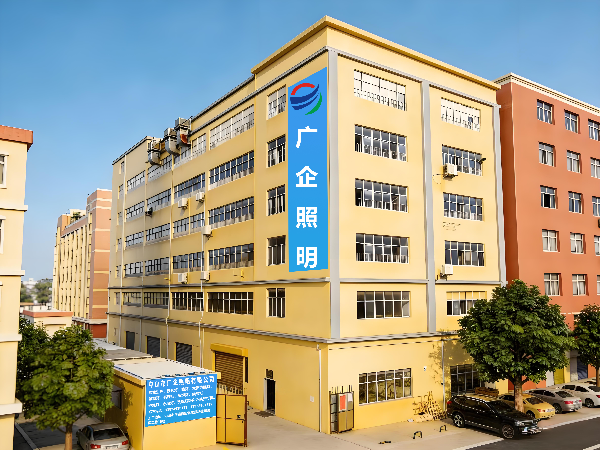
Turnkey commercial site lighting design of photos. CAD photometric plans to CE-grade, IP66-rated luminaires produced in our 14-year facility in Guzhen, Zhongshan, designed by architects from more than 50 countries. DarkSky Approved Commercial v3.1 (April 2025) compliant
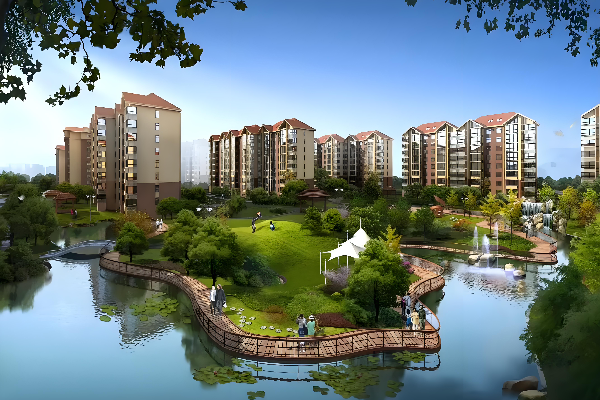
IES / Revit / CAD
Photometric deliverables with LM-79 test data and BUG zone classification for permit submission.
DarkSky V3 2025
Uplight ≤ 50 lumens, CCT ≤ 3000K, dimming control to 10%.
Custom fixture BOM
Matched to design plan (no spec drift) with 5-year warranty on body, driver, and spare parts.
50+ countries
Designed by architects globally. Delivered with FOB / CIF / DDP flexible Incoterms.
Where Landscape Lighting Design Fails — Three Failure Modes We Solve
Landscape lighting design is the systematic engineering of outdoor light environments across plazas, walkways, waterfronts, building facades, and planted grounds. Three failure modes dominate the commercial projects that arrive on our desk from other suppliers: glare that ruins the guest experience, disconnected specifications that force re-orders once fixtures land on site, and photometric plans that cannot survive a DarkSky-regulated permit office. Each failure mode wastes capital, kills the outdoor space program, and erodes specifier trust.
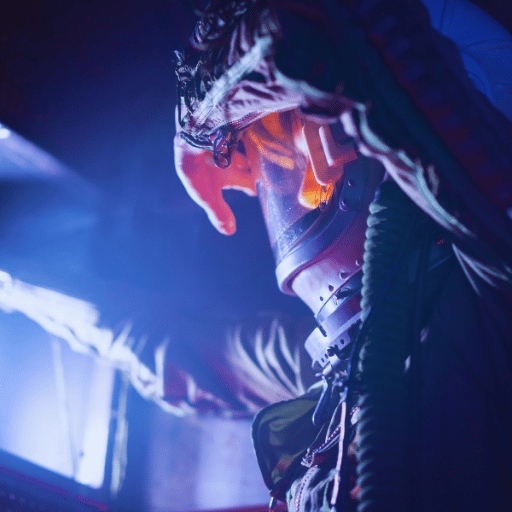
ERROR: 01
Glare ruins guest experience
Antiglare reflector can be value engineered out of the spec to save 8% on capex; six months later the resort GM is fielding complaints about glare on the path to the spa. A photometric plan without explicit glare control is half a plan.
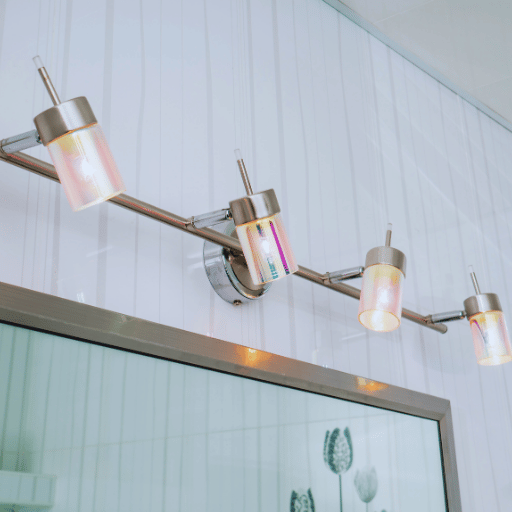
ERROR: 02
Designer-vs-fixture disconnect
A specifier orders fixtures from one brand; the designer’s IES files referenced a different beam spread. Re-quoting the project to reconcile the mismatch typically adds 30% to the lighting budget. Same-source design plus manufacturer is the only structural fix.
ERROR: 03
Plan rejected at permit office
Municipal light trespass ordinance enforcement mandates uplight measurements as part of the submission. Photometric plan arrives without. Postponed for 8 weeks while Light Designer rearches the manufacture for LM-79 reports. DarkSky compliant spec on Day 1 saves this resource.
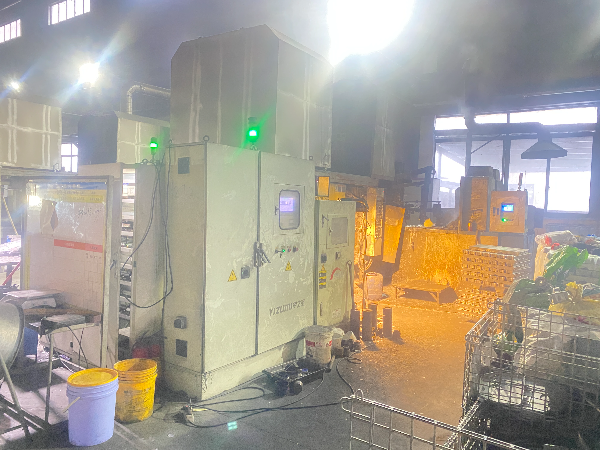
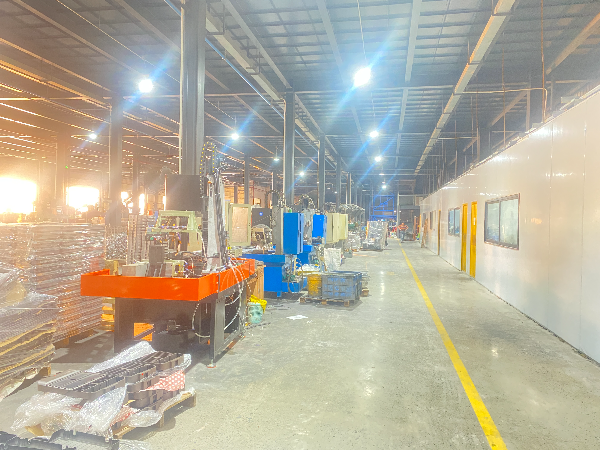
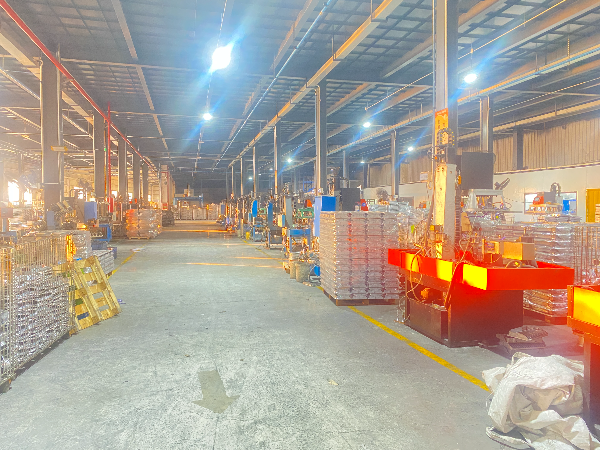
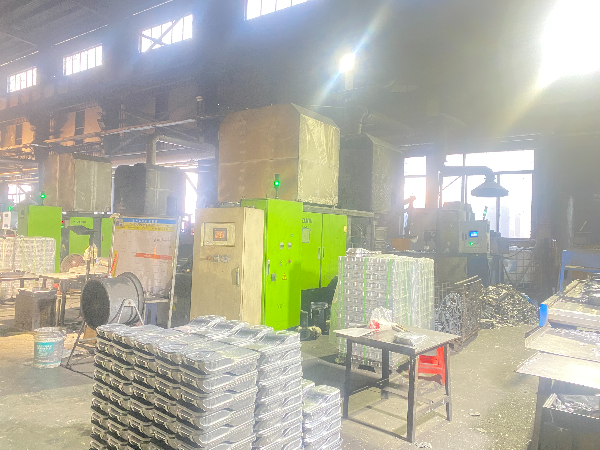
Guangqi Lighting closes each gap inside a single contract. Our in-house optics and driver teams design the photometric plan, select the fixture family, and produce the hardware in the same Guzhen facility – so the beam spread, wattage, and watt-per-lumen efficiency values in the design package match exactly what arrives at your project site. LED bulbs, integrated LED modules, and smart-driver combinations are specified against the actual luminaire families we manufacture, so the employee car park receives coherent landscape lighting design rather than a patchwork of brands.
Commercial Landscape Lighting Design — IES Standards, BUG Zones, HCL, Methodology
Specifier-grade commercial landscape lighting design is built on four authority frameworks. Each one separates a real photometric plan from a stylized rendering, and each one has explicit numerical criteria that a building inspector or DarkSky regulator can verify on submission day.
01
IES standards we follow — RP-33, TM-21, LM-79, TM-15-11
IES (the Illuminating Engineering Society) publishes the photometric standards every commercial outdoor lighting plan should reference. ANSI/IES RP-33 Lighting for Exterior Environments sets recommended illuminance for pedestrian walkways (1-3 foot-candles average), parking areas (0.5-2 foot-candles), and building entrances (5-10 foot-candles for safe transitions). LM-79 prescribes how each luminaire is photometrically tested. TM-21 calculates L70 rated life from LM-80 component test data. TM-15-11 introduces the BUG zone classification described below. Our deliverables ship with IES files for every fixture in the catalog so a specifier can drop them into Dialux or AGi32 without recreating the distribution curves.
02
BUG zones — the IES TM-15-11 classification permit reviewers actually use
BUG (Backlight, Uplight, Glare) ratings classify each luminaire by how much light spills behind the fixture, how much escapes upward into the sky, and how much creates direct glare for an observer. IES published TM-15-11 with a 2017 addendum that defines specific zones (BH, BM, BL on the backlight axis; UH, UL on uplight; GH, GM, GL on glare). LEED BD+C v4.1 cites TM-15-11 directly for its light pollution reduction credit, and most municipal lighting ordinances inherit its terminology. Our fixture catalog ships with the BUG rating per family, so when your municipal engineer asks “what’s the U-value on this pole light?” the answer is in the spec sheet.
03
Human-Centric Lighting (HCL) — CCT scheduling that respects circadian rhythm
Commercial public space lighting on the whole performs best at 2700K-3000K for hospitality applications (welcoming cozy tone) and 3500K-4000K where visibility and security over saturation are priority. Our specifiers choose CCTs to match the program and keep the lumens tight. When a project needs to hit DarkSky Approved Commercial is the Planck floor for CCT, and our tunable-CCT luminaires enable one product line to satisfy both day and night programs by scene control.
04
DarkSky Approved Commercial Program V3 (April 2025) — the binding criteria
DarkSky International longterm Approved Luminaires V3 went live in April 2025 and establishes four mandated criteria for lighting fixtures for commercial dark-sky oriented applications, total output 1,000 lumens between 90° and 180°, uplight emission 50 lumens absolute (90-180°), CCT 3000K, and dimming to 10% or less. We implement the uplight ceiling at 50-lumen absolute (equivalent to 0.5% of a 10,000-lumen pole-mounted zone light). Full-cutoff shields are issued as standard at 100% lumens.
Design methodology — Four Zones × Four Principles to Highlight Architectural Features
Below the standard, any project is a feature appraise made from a process that considers light as the building block and not an afterthought. Four zones (Square & Wayfindings, Harbor & Dock, Building Envelope, Natural Features & Plantings) each have a pitch point, glare envelope, and CCT cipher. Four priniciples (Safety-first criteria, Human-centered CCT selection, Dark-sky compliance, Narrative articulation) appear totemic as an overlay whenever style conflicts with code or comfort. Layered composition stacks general, special, and visual effects so one luminaire does not have sole owner ship of a zone; scene-programmable controls (Monday/Thursday/Echo / midnight curfew) let one fixture operate through the seasons at four different room temperature humidity bands cost-effectively.
Need IES files for your specifier review?
Request the technical library
Three-Tier Landscape Lighting Design Service — Concept, Standard, Premium
Most buyers arrive knowing they need a lighting plan but not which tier fits the project scale. Service is structured across three engagement levels with explicit inputs, deliverables, and turnaround windows so procurement teams can match the tier to budget and specification depth.
01
Concept Design
- Mood board + sample illumination references
- Photometric sketch for 2-4 focal zones
- Fixture-family recommendation (accent, path light, bollard, facade)
- Indicative color temperatures and beam spreads
Minimum 10 fixtures specified per site
02
Standard Plan
- Scaled CAD landscape lighting plan (DWG + PDF)
- Full product BOM with IES photometric files
- Transformer wattage and low-voltage circuit sizing
- LM-79 test reports for selected luminaires
- One review cycle with markups
Minimum 25 fixtures specified per site
03
Premium Full Package
- Complete construction documents
- Tailor-make lighting fixtures – our Aesthetics, your Cladding (inquire).
- Diagrammatic wire layout + voltage-drop calculation
- Installation details, shielding, and mounting
- Factory-direct supply + logistics coordination
- Permit submission packet with BUG ratings + LM-79
Minimum 50 fixtures specified per site
Decision Matrix — Which Tier Fits Your Project?
| Project Signal | Concept | Standard | Premium (Turnkey) |
|---|---|---|---|
| Budget range | Smallest | Mid | Full-scope |
| You already have CAD base plans | Optional | Required | Required |
| Specifier needs IES / Revit files | On request | Standard deliverable | Standard + custom |
| Custom fixture bodies / finishes | No | Stock catalog | Yes — our molds |
| DarkSky permit submission packet | No | On request | Included |
| Installation support on site | No | Remote only | Coordinated on request |
Not sure which tier fits?
Share your CAD base for a 24-hour expert recommendation.
Get Instant Quote
Eight Commercial Fixture Families — Spec, Application, Photometric Data
Photometric designers can draw from a vertically-integrated product library of pre-tested commercial landscape lighting fixtures. Each product family is specified in our shop, cast from our foundry molds, guided by our optics engineers, and powered with intelligent drivers we design for 12 V landscape systems and 120 V commercial power line circuits. We ship each fixture w/ an IES photometric file, an LM-79 test report available upon request, and a BUG zone classification based on the IES TM-15-11.
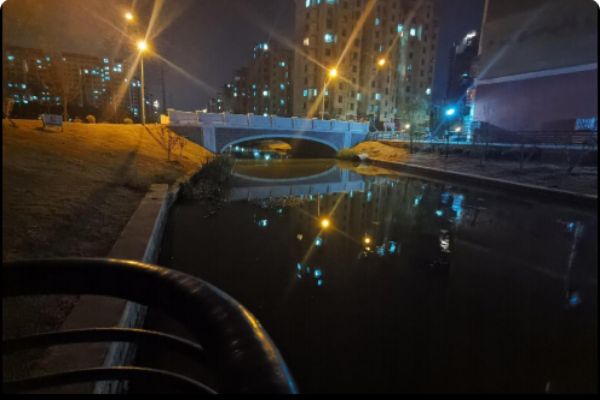
Bollard & path light
Lumens
300-1,500
Voltage
12V low-voltage
Rating
IP65, cast brass or 316SS
Walkway, plaza perimeter, resort pathways

Facade & wall-grazer
Lumens
2,000-12,000
CCT
RGBW or tunable 2700-5000K
Rating
IP66, beam 10°-60°
Building facade, heritage architecture, retail signage backdrop
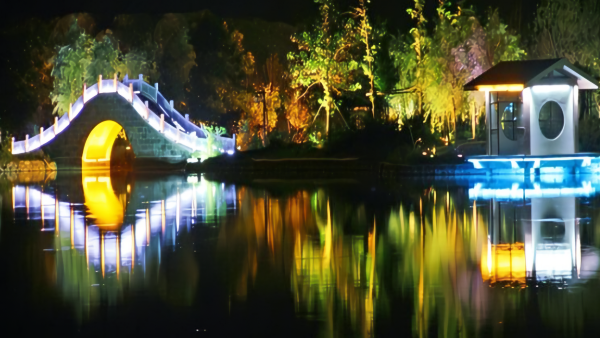
Inground well lights
Lumens
500-3,000
Rating
IP67, 316SS body
Mounting
trim-level recessed
Uplighting trees, grazing stone walls
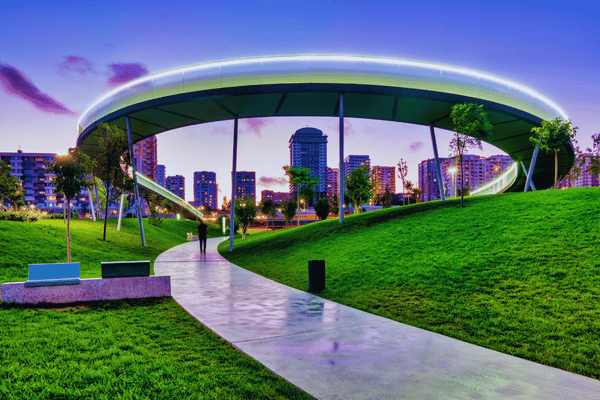
Pole-mounted area
Lumens
6,000-30,000
Distrib.
Type II / III / V
CCT
3000K-4000K, DarkSky-ready
Parking, public plazas, municipal streetscape
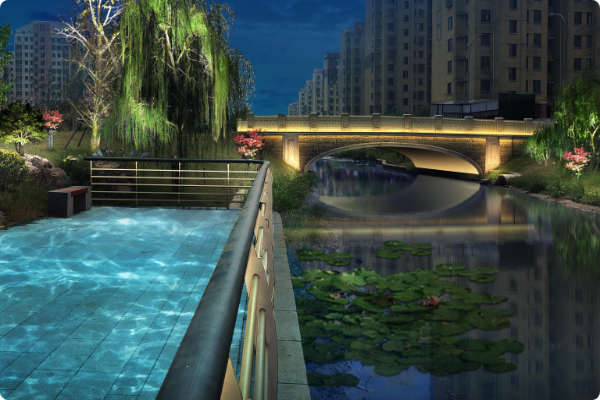
Underwater lighting IP68
Lumens
500-2,500
Rating
IP68, 316SS or bronze
Voltage
12V safe-low
Fountains, reflecting pools, poolside
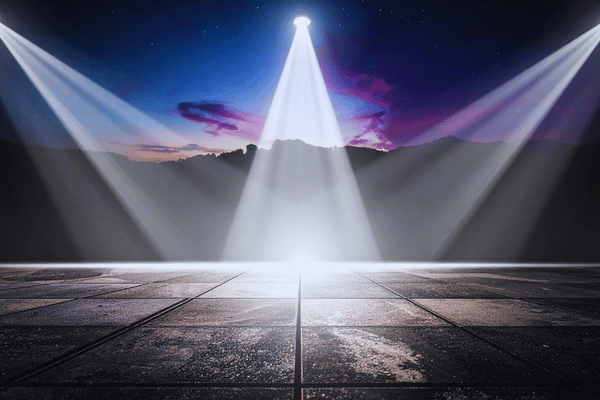
Accent spotlight
Lumens
400-2,000
Optics
adjustable, multi-beam options
Rating
IP65, tunable CCT
Sculpture, signage, landscape focal points
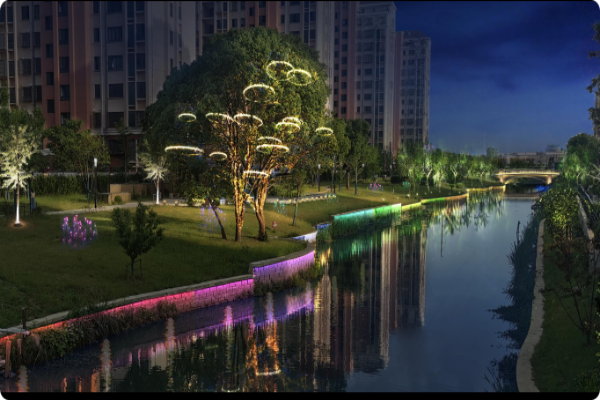
Catenary string lights
NEWLumens
1,000-3,000 per run
Mounting
cable-suspended catenary
Rating
IP65, low-voltage 24V
Outdoor dining, event courtyards, hospitality terraces
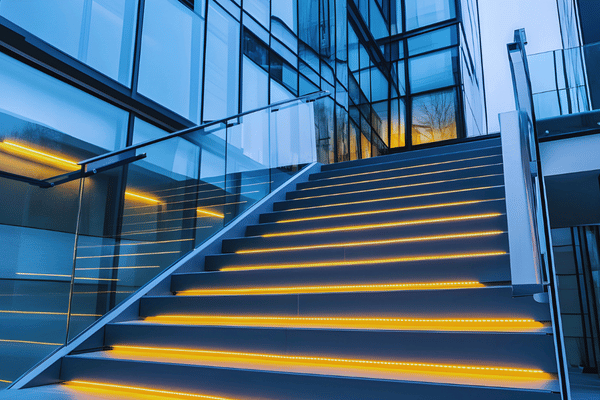
LED step lights
NEWLumens
50-300
Voltage
12V recessed
Rating
IP65
Stair risers, deck edges, ramp transitions
Wiring & Voltage Topology — Daisy Chain vs T-Method vs Hub Method
Where a project requires a custom fixture profile—an architect-designed pole cap, a special-blend bronze, a specific architectural color palette—each custom fixture is produced in our shop with the same in-house tooling in 5-10 weeks (for order min. of 20 units). Custom fixtures include the same IES & test documentation as the catalog units, making unique optics compatible with commercial landscape design software.
12V low-voltage vs 100-277V line-voltage — when each applies
Line-voltage (100-277V) and low-voltage (12V or 24V) outdoor landscape lighting systems are the foundation for commercial landscape lighting design. Path and accent fixtures are installed on low-voltage circuits because they do not pose a shock risk if a hot contact is touched, while pole-mounted area and facade lighting is installed on line-voltage systems because the necessary light output would be impractical with would require too many low-voltage fixtures. A commercial landscape installation will typically include a line-voltage “backbone” to the area lighting poles, and a series of low-voltage feeders for the path, accent, and inground fixtures.
Voltage drop math — why long runs need attention
With a #12Ga. copper wire run on a 12V landscape circuit, the voltage drop—the voltage before the last bulb—would be roughly 0.5 Volts per Ampere per 100-foot run. A #12Ga, 200-foot run supplying 5 Amps drops 5V in the cable—delivering only 7V to the last bulb, with the net effect of a dimmer color temperature, after a shorter lifetime. Long run “fixes” are so: upgrade the feeder wiring to #10—#8Ga., upgrade to 24V—this halves the amperes while keeping wattages constant, or change your wiring topology—replace a “tree” layout with a “ring” layout.
Daisy Chain
The simplest solution for a circuit consisting of a line-voltage (120 V) transformer connected to 3 low-voltage fixtures is a 12V (or 24V) transformer line-voltage drop line-ends. Maintaining maximum fixture brightness and load-safety, simple, and cost-effective, this layout suffers from high-voltage-drop at the end of the circuit and provides a single point-of-failure, as no power flows at the farthest fixture if any one connection is loose.
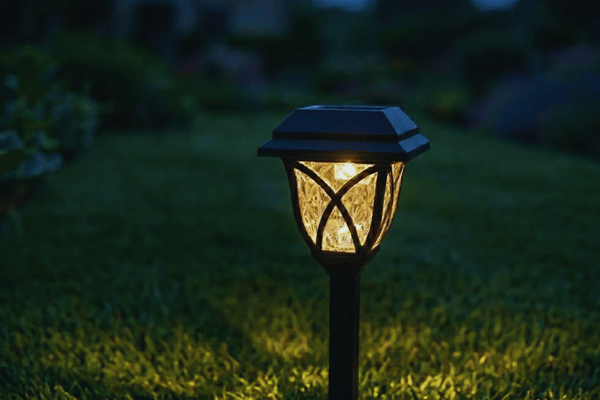
T-Method
Typical commercial landscape lighting fixtures are configured either as line-voltage (120 V) fixtures running as a simple “tree” from a single transformer or as low-voltage (12 V or 24 V) fixtures running on a figure-8 in a dual “ring.” The simpler transformer line ends can be “T” tapped at the midpoint or “Y” split into balanced branch strings.
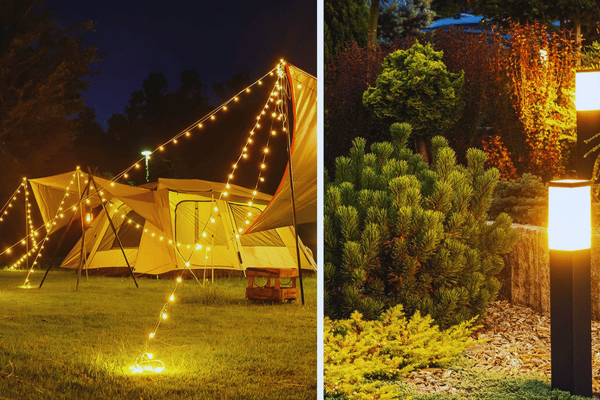
Hub Method
Standalone source off the transformer with blue home runs to each fixture cluster. Voltage drop is less because each fixture has its own wire; most specified for commercial landscape lighting because fixing a dead fixture is a single home run, rather than a chain of dead fixtures.
Our Premium Full Package tier ships each project with a wire layout diagram and a voltage-drop calculation for each run, so the electrical contractor receives a buildable drawing, not a topology hint. The same analysis is available for Standard Plan projects on request.
Procurement Snapshot — Pricing Factors, Lead Time, Logistics
Commercial landscape lighting bids typically don’t boil down to one number. What follows is a framework listing drivers that can be bid, with your CAD drawing, fixture count and definition scope determining an actual bid.
Pricing factors framework
Fixture count and system complexity, standard catalog versus custom mold, material grade (aluminum / bronze / 316SS / brass), driver topology (low-voltage versus line-voltage with 0-10V or DALI dimming), certification scope (CE/RoHS baseline versus UL/ETL/DLC for North America versus DarkSky Approved submission), and logistics (FOB / CIF / DDP).
Typical lead time window
Design: 2-7 weeks per tier. Production: 3-5 weeks after sign-off. Custom-molded: 5-10 weeks tooling. Ocean freight: 2-6 weeks. Total: 8-18 weeks. Air freight at premium for samples and emergency replacements.
Warranty & after-sales
5-year warranty on fixtures and drivers, guaranteed spare parts availability. Replacement LED modules shipped factory-direct on defect during warranty. International support across 50+ countries with a named application engineer.
Custom mold MOQ
Premium tier custom-molded bodies start at 20 unit MOQ. Tooling lead time 5-10 weeks. Custom finishes (powder-coat colors, bronze patinas, brass anodizing) arrive under the same 20-unit minimum.
5-Year TCO Snapshot
Industry data suggests that commercial LED outdoor lighting delivers 50-80% less energy consumption than halogen or HID equivalents. Typical 5-year overview:
Energy Consumption (5Y)
Halogen Baseline
~$18,400
LED System
~$7,200
Maintenance Cost (5Y)
Halogen Baseline
~$2,100
LED System
$0 (Warranty)
Total Cost Overview (5Y)
Halogen Baseline
~$24,500
LED System
~$14,700
Initial Fixture Cost
Halogen
Lower Baseline
LED System
~1.5-2× Higher
~$9,800 Saved
Net savings over 5 years per mid-size commercial project.
-40%
* Industry typical reference frame numbers for a mid-size commercial landscape project. Specific quotes are derived from your CAD drawing, number of fixtures, and scope of specifications.
“The IES file workflow is what separates a lighting specifier from a lighting stylist. A designer who can hand the electrical contractor LM-79 reports and a buildable wire layout has earned the project. A designer who hands over a rendering and a vague fixture list has not – and the contractor will charge accordingly to fill the gaps on site.”
Project Results — Where Our Landscape Lighting Systems Work
The three project classes most often delivered comprise the bulk of our commercial landscape lighting solutions. They are characterized by the expected range of performance such as below, which is based on the families of fixtures and control systems used; specific performance figures are NDA available on request.
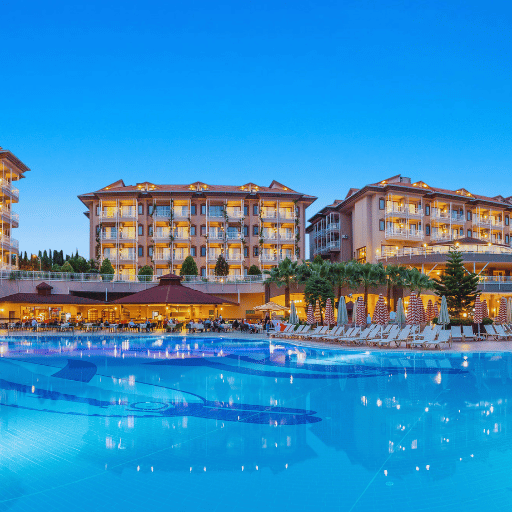
Hospitality resort — villa public spaces
Context
Coastal resort arrival loop, guest paths, pool deck, waterfront reflection pools.
Baseline
Tunable 2700K-4000K, dimming 10%-100%, scene mode matched to guest flow.
Academic evidence demonstrates that environmentally-friendlier lighting in coastal beach resorts directly benefits guests psychologically. Particular focus on sculptural landscape elements using adjustable effect lighting.
Get Instant Quote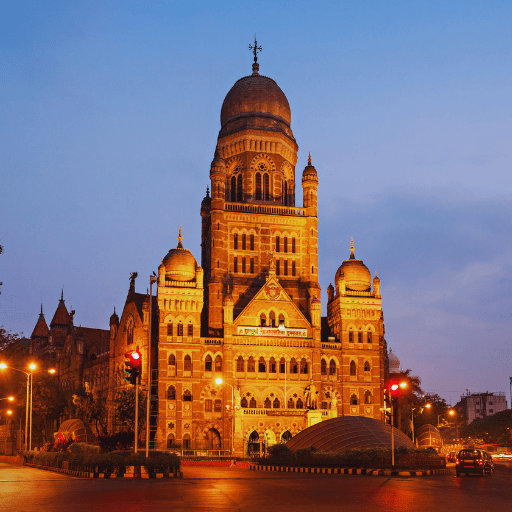
Municipal park & streetscape
Context
Civic plaza with pole-mounted floodlights, bollard + path lights, civic building facade accent.
Baseline
Type III / V distribution, 3000K DarkSky actual, full-cutoff shielding.
Uplight was restricted to the commercial DarkSky standards for the conservation corridor. BUG rating was recorded with each fixture for the purposes of the permit application.
Get Instant Quote
Developer mixed-use landscape
Context
Retail plaza hardscape, pedestrian greenway, building facade wall-wash.
Configuration
Distributed intelligence (4 zones), cast brass + 316SS fixture bodies, IP66 throughout.
11 ‘Plmazs’ hedlamp wiring was integrated under hub -method topology so each plaza zone can dim at once.
Get Instant QuoteCertifications & Technical Standards
For specifier buyers, the certification bank is the quick route to credibility. All our products come with independent assurance for electrical safety, material compliance, photometric performance and outdoor environmental exposure.
CE
RoHS
IP65 / IP66 / IP67 / IP68
ISO 9001
DarkSky Approved Commercial v3.1
DLC-Ready (NA)
UL / ETL (NA option)
LM-79 Tested
LM-80 Data Available
IES TM-15-11 BUG Rated
Performance specs that matter for spec sheets
CRI (Color Rendering Index): 80 on all LED luminaires; R9 > 50 on premium tier – accurate color of foliage, skin tones, and hardscape textures under artificial light. L70 rated life: 50, 000 hours minimum, up to 100, 000 hours on premium LED families, based on IES TM-21 calculations from LM-80 LED component test data – projected hours of operation before light output drops to 70% of initial. Voltage: 12V / 24V DC for landscape paths plus 100-277V AC for pole and facade. Driver dimming: 0-10V, DALI, or TRIAC; dimmable to 10% of rated output for late night energy curfews and dark sky compliance.
Landscape Lighting Design Engineering Tools
Landscape Lighting Design Tier Selector
Three Guangqi service tiers cover 10-50+ fixture projects. Tell us your project signals — we match you to Concept, Standard, or Premium.
Access SelectorLandscape Lumen & Fixture Estimator
Estimate the lumen budget and approximate fixture count for your project. Add each zone separately. Based on ANSI/IES RP-33 illuminance recommendations.
Access EstimatorDarkSky Approved Commercial Luminaire Self-Check
Enter your luminaire’s photometric specs to check alignment with the DarkSky Approved Luminaires Program V3 (April 2025) commercial criteria. Informational self-check — official approval requires submission to DarkSky International.
Start Self-CheckFrequently Asked Questions
DIY landscape lighting kits are engineered for residential homeowners with low-voltage path lights and simple plug-in transformers. Commercial landscape lighting design engineers a full photometric plan, sizes wiring and transformer load against voltage drop across large sites, specifies fixture type by application class, and delivers IES photometric files that a specifier can defend to a building owner and a building inspector. The output is a legal construction document, not a weekend tutorial. A DIY kit ships with a transformer, a few path lights, and a manual; a commercial design ships with a CAD plan, a BUG-rated fixture catalog, an LM-79 photometric package, and a permit-ready submission packet that survives municipal review.
Beginning from your CAD base and defined program brief: but first for photometric sketch then space by space fixture type and beam spread choice then load calculation to determine transformers wattage and wire run size based on voltage drop. Zoned lighting control system to create 3 scenes (arrival, peak evening, late night curfew) with 2 to 3 dimming settings each. Complete plan set with BOM, IES files, wiring layout, BUG for each fixture, installation detail for electrical contractor.
Design fees are tier and project scope related. We will not give a range without understanding the delivery requirement but here is a framework driven by fixture count, custom molded parts, certification range and logistics. Over the 5 year TCO period in commercial and hospitality fixtures, fixture unit cost typically dominates within 18-24 months. Please ask for a quotation with your CAD default.
This is a home owner’s rule-of-thumb promoted by manufacturer DIY guides – fixtures run 5-7ft apart along path light runs, and installed 5-7ft high for tree uplighting. Not an IES standard, but a starting point. In commercial landscape lighting design, ANSI/IES RP-33 illuminance guidelines must take precedence over whether the fixtures are installed 4, 6 or 8 ft apart; we back up the spacing decisions with photometric analysis against actual site dimensions, fixture beam spread, and target foot candles.
Application class (parking lot, building entrance, pedestrian walkway, etc.) and reflectivity of surface are what determine lumen want not number of fixtures. We generally aim for a foot-candle or two average light level for a pedestrian walkway, a ½-2 foot-candle average for parking, 5-10 foot candles for a building entrance for the ANSI/IES RP-33 safe transition area. We use the LM-79 photometric data for each luminare selected and modeled your site in Dialux or AGi32 to ensure we deliver the lumens needed with minimal excess light. Over-lighting wastes energy and can make you seem inconsiderate.
Daisy chain runs the transformer fixture 1 fixture 2 fixture 3 in series, vulnerable to voltage drop at the far end. T-Method splits the run into two balanced branches at a midpoint, halving the drop on each branch. Hub method runs dedicated home runs from a central hub to each fixture cluster, minimizing drop and easing troubleshooting. Most commercial landscape lighting projects spec the hub method for these reasons; daisy chain remains acceptable on short residential runs under 50 feet at modest fixture loads.
Yes. IES photometric files ship for every luminaire in our catalog. Revit family files and DWG blocks are produced for Standard and Premium tiers. LM-79 test reports and LM-80 LED-component data are shared under mutual NDA for specifiers auditing long-term performance claims. BUG ratings per IES TM-15-11 ship with every fixture spec sheet for permit submission.
Every production luminaire ships CE and RoHS certified with IP65 or IP66 rating; underwater fixtures carry IP67 / IP68. ISO 9001 quality management applies across the factory. For North American commercial projects we produce UL/ETL-certified variants. For DarkSky-sensitive sites we produce luminaires meeting the V3 April 2025 commercial criteria – uplight 50 lumens between 90-180 degrees, CCT 3000K nominal, dimming to 10% of rated output, full-cutoff shielding.
Commercial Execution
Ready to Spec Your Landscape Lighting Project?
Send your CAD base, target zones, and program brief. A Guangqi senior lighting designer returns a tailored tier recommendation, a photometric concept, and a delivery timeline within 24 hours.
14+
Years Experience
50+
Countries Served
5-Year
Warranty
Yes
DarkSky Aligned
Trending now
![Industrial LED Bulbs: Bases, Voltage & Heat [Checklist]](https://gqlamp.com/wp-content/uploads/2026/10/industrial-led-bulbs-blog-featured-150x150.png)